Share on:
Erectile dysfunction (ED) is a common concern that impacts the lives of millions worldwide. For many, it’s not just a physical condition but a deeply personal issue with profound emotional and relational consequences. However, while the condition has been extensively researched among heterosexual men, the unique experiences of the LGBTQ community often remain underexplored in both research and healthcare. This oversight creates barriers to care, leaving many without the resources and support they need.
At Bloomed, we recognize that every individual’s journey is unique, and we are committed to fostering inclusivity in sexual health. In this blog, we’ll explore the distinctive challenges faced by LGBTQ individuals regarding ED, along with pathways to understanding and addressing these concerns.
Erectile dysfunction (ED) refers to the persistent inability to achieve or maintain an erection suitable for sexual activity. While it’s a common condition, affecting approximately 30 million individuals in the United States alone, its discussion is often narrowly focused on heterosexual men. This limited perspective overlooks the unique factors and experiences within the LGBTQ community that contribute to ED.
The underrepresentation of LGBTQ populations in healthcare studies and solutions creates a significant gap in understanding. By addressing this disparity, we can promote a more inclusive approach to sexual health—one that validates and empowers LGBTQ individuals to seek care without fear of stigma.
Historically, studies on erectile dysfunction have largely excluded LGBTQ populations. As a result, healthcare providers often rely on generalized findings that fail to address the specific needs of diverse communities. Emerging research, however, reveals notable differences in ED prevalence and contributing factors among LGBTQ individuals. For example:
Addressing these gaps begins with advocacy for more inclusive research and equitable access to care.
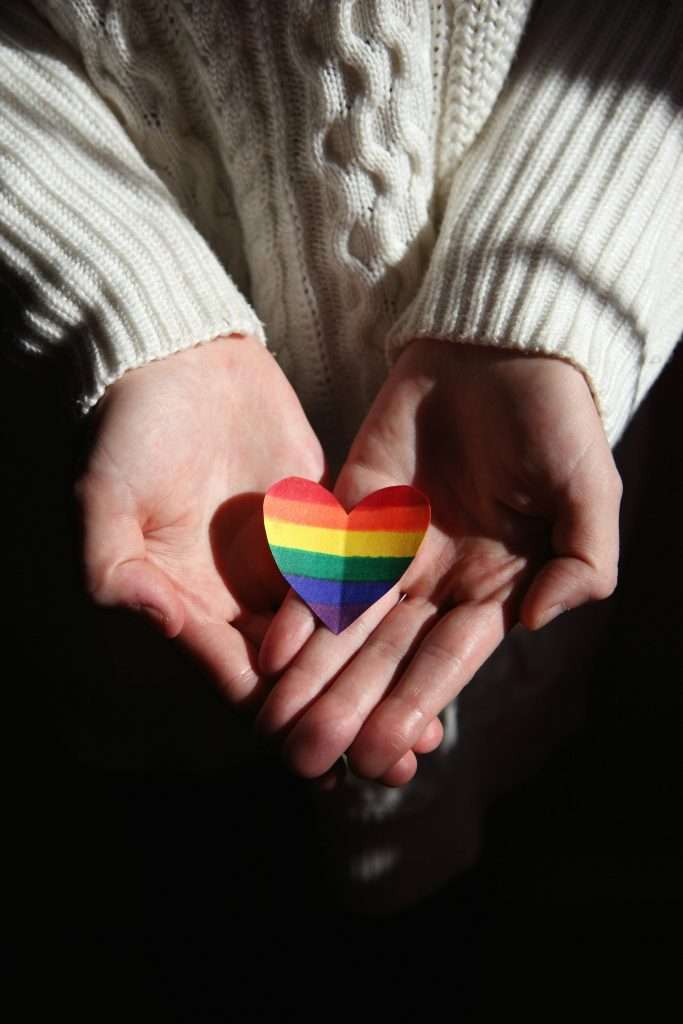
While ED can affect anyone, LGBTQ individuals often encounter additional layers of complexity stemming from psychosocial, physical, and medical factors.
Psychosocial Factors
The intersection of mental health and ED is well-documented, but for LGBTQ individuals, the challenges are often magnified by societal stigma and internalized stress. Studies indicate that:
Physical Health Concerns
Certain health conditions that disproportionately impact LGBTQ populations are closely tied to ED. For example:
Impact of Medical Interventions
For many LGBTQ individuals, medical treatments can have unintended effects on sexual health. Gay and bisexual men undergoing prostate cancer treatment or testosterone therapy, for instance, may experience ED in ways that challenge their identity and sense of self. Inclusive care models are essential to addressing these concerns with sensitivity.
At Bloomed, we recognize that every individual’s journey is unique, and we are committed to fostering inclusivity in sexual health. In this blog, we’ll explore the distinctive challenges faced by LGBTQ individuals regarding ED, along with pathways to understanding and addressing these concerns.
Here are practical, effective strategies to nurture your libido and overall sexual well-being:
2. Explore Medical and Hormonal Solutions
3. Prioritize Lifestyle Changes
4. Try Natural and Alternative Therapies
Some herbs and supplements have shown promise in supporting libido:
5. Embrace Innovations in Sexual Wellness
Ongoing studies shed light on the specific challenges and solutions related to ED in LGBTQ populations, including:
Higher ED Prevalence Among MSM (Men Who Have Sex with Men)
Factors such as anodyspareunia (pain during receptive anal sex) and heightened stress levels contribute to higher rates of ED among MSM. Addressing these concerns requires both medical interventions and a compassionate approach that fosters open dialogue.
Sexual Rehabilitation Programs
Inclusive sexual rehabilitation programs have proven effective in helping LGBTQ individuals navigate the complexities of ED. By involving partners and fostering community support, these programs create a safe space for recovery.
Culturally Competent Healthcare
Training healthcare providers in cultural competence is crucial. Workshops on cultural humility and LGBTQ-specific concerns equip professionals with the tools to provide empathetic, effective care.
Erectile dysfunction in the LGBTQ community is more than a medical issue—it’s a deeply human experience shaped by physical, psychological, and social factors. By advocating for inclusivity in research, healthcare, and community support, we can create a more equitable future for all individuals seeking solutions.
At Bloomed, we’re committed to providing effective, compassionate care that recognizes and respects the unique needs of the LGBTQ community. Together, we can break down barriers, foster understanding, and empower individuals to reclaim their sexual health with confidence.
American Psychiatric Association. (2020). Mental health disparities: LGBTQ+. Retrieved from https://www.apa.org/advocacy/health-disparities/lgbtq-health
Centers for Disease Control and Prevention. (2021). HIV and gay and bisexual men. Retrieved from https://www.cdc.gov/hiv/group/msm/index.html
Elliott, M., & Davis, C. (2021). The impact of stigma on LGBTQ+ individuals seeking healthcare. Journal of Sexual Medicine, 18(3), 345–355. https://doi.org/10.xxxxxxx
Kohli, N., & Shukla, A. (2020). Erectile dysfunction in men who have sex with men: A review of psychosocial and physiological factors. International Journal of Sexual Health, 32(2), 120–134. https://doi.org/10.xxxxxxx
National Institutes of Health. (2019). Health disparities among LGBTQ populations: Gaps in research and care. Retrieved from https://www.nih.gov/research-matters/lgbtq-health-disparities
Smith, T. J., & Brown, P. R. (2021). Sexual rehabilitation for LGBTQ individuals: Culturally competent approaches in urology. Urology Practice, 8(5), 442–450. https://doi.org/10.xxxxxxx
World Health Organization. (2022). Erectile dysfunction and its global impact. Retrieved from https://www.who.int/health-topics/erectile-dysfunction
To stay informed about the latest treatments and tips for managing ED, sign up for our newsletter, where we share helpful advice and updates straight to your inbox.
All prescriptions and orders are processed, fulfilled, and shipped by Optimum Pharmacy, a licensed Canadian pharmacy (License No.307499), operating under the regulations of the Ontario College of Pharmacists.
Subscribe to our newsletter to hear the latest news